We Are Living in a Revolutionary Moment
Artificial intelligence is no longer a promise of the future. It is here, transforming entire industries. But there is a problem that few people are addressing: AI cannot operate on what it cannot see.
Today, the vast majority of industrial operations around the world still run on manual processes, paper-based reports, and data scattered across spreadsheets. Machines produce, warehouses move inventory, personnel come and go, and all of that information is either lost or recorded hours later, when it is already too late to make decisions.
The Problem Is Not AI. It Is Data Capture.
Imagine having the most advanced artificial intelligence model in the world, but no data to feed it. It is like having the most powerful engine ever built with no fuel in the tank.
Here is the reality: most industrial companies generate thousands of data points per hour during their daily operations (production cycles, personnel movements, inventory entries and exits, loading times, temperatures, vibrations), but less than 5% of that information is captured digitally.
The rest disappears. It evaporates. It never reaches a system where it can be analyzed.
The Gap Between the Physical and the Digital
This is the gap we are facing as a society: we have the technological capability to analyze massive amounts of data in real time, predict failures before they happen, optimize logistics routes down to the second, and make decisions based on facts. But we are not capturing the real-world data needed to make it possible.
Artificial intelligence lives in the digital world. Your operations live in the physical world. If you do not build a bridge between the two, AI is irrelevant to your business.
That bridge has a name: monitoring.
What Does Monitoring Really Mean?
Monitoring is not simply installing cameras or putting sensors on machines. It is digitizing every relevant action in your operation to turn it into data that an intelligent system can read, interpret, and act upon.
It means knowing:
- How many pieces each machine produced in the last 8 hours, not in tomorrow's report
- Where each member of your team is right now, not when they fill out their logbook
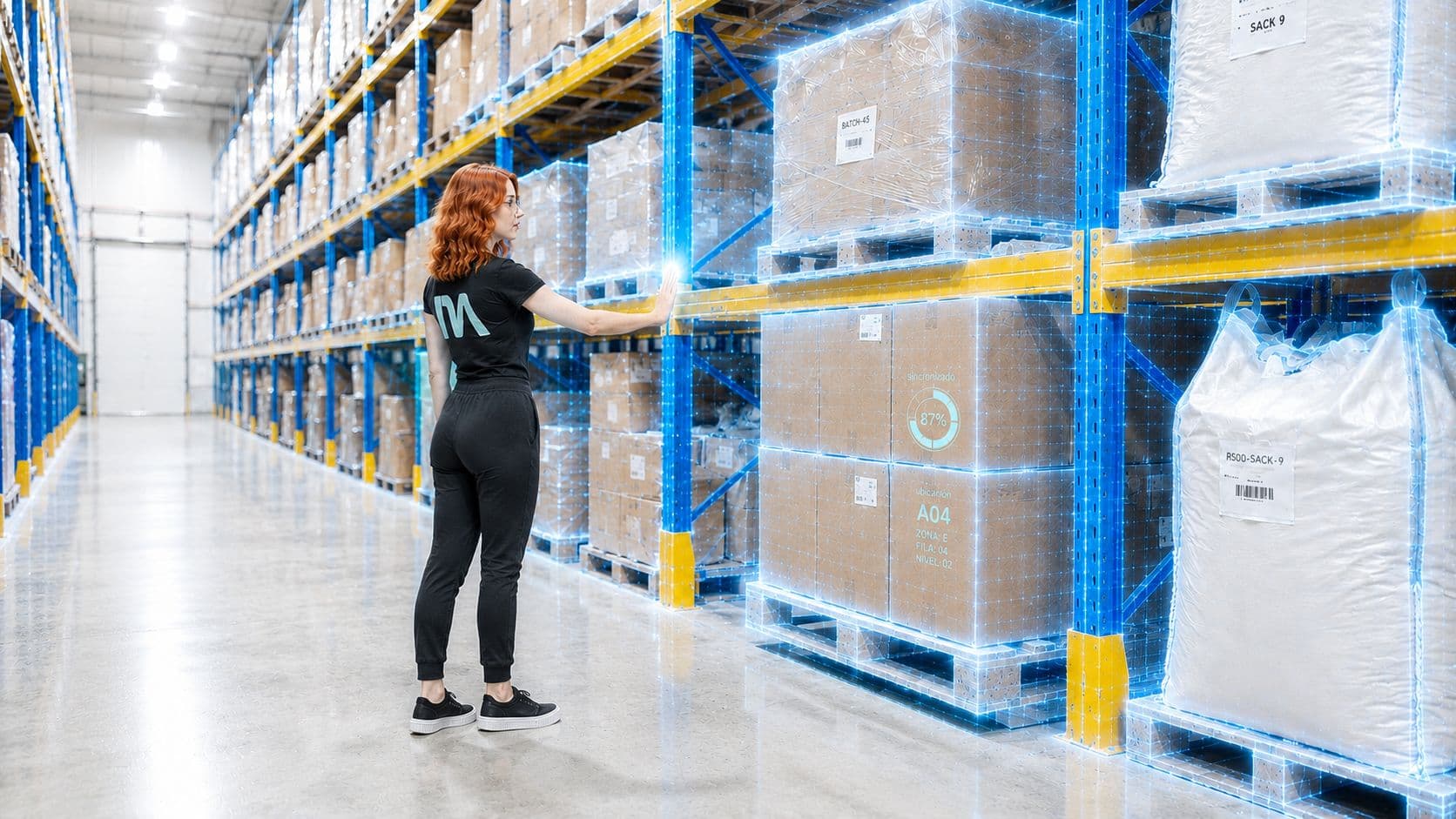
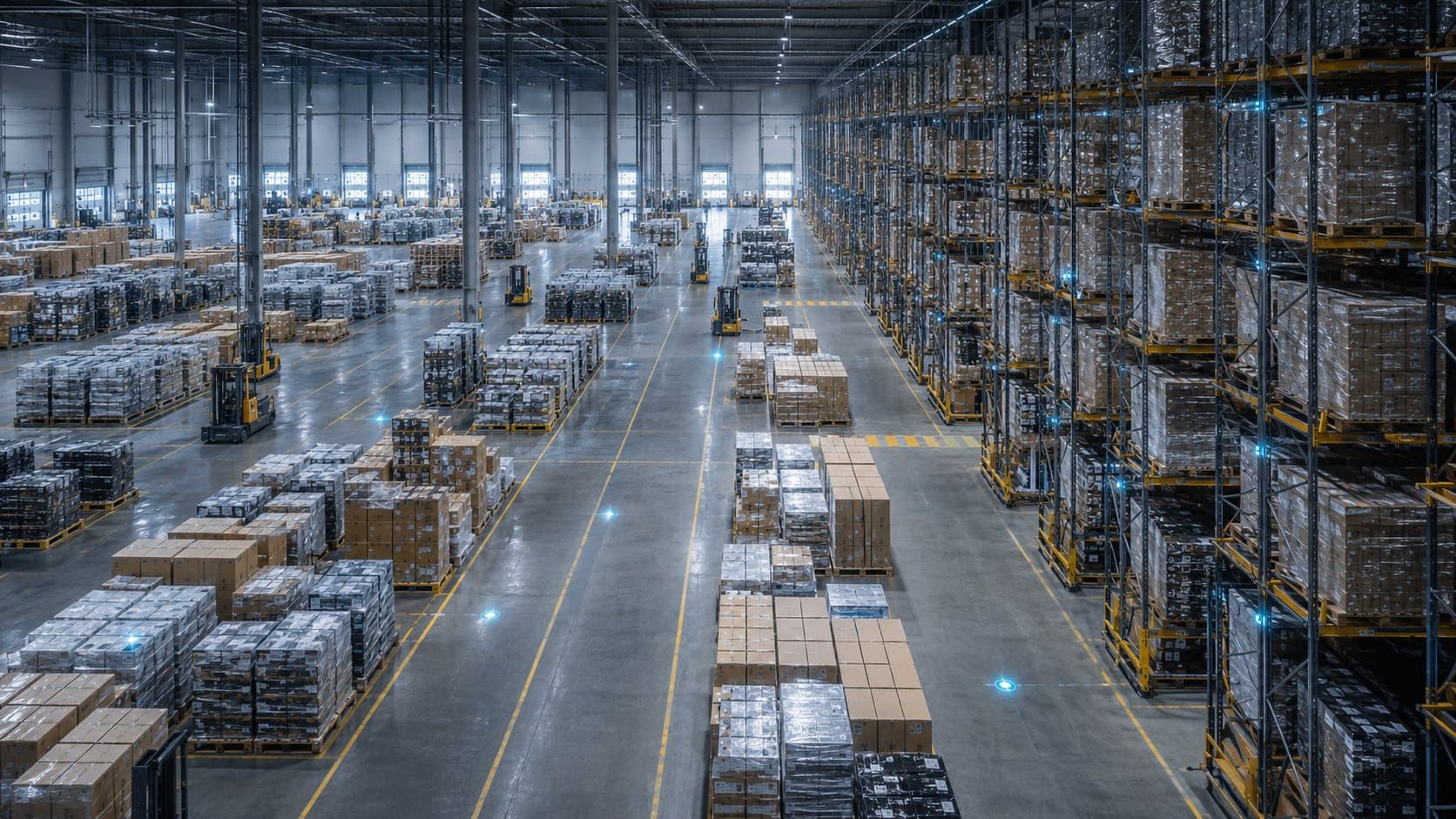
- What is in every position in your warehouse without needing physical inventory counts
- When a machine is about to fail before it shuts down the entire line
- How long a transport took to unload and whether it met the agreed-upon time
When you digitize these actions, they stop being invisible events and become actionable data in real time.
The Opportunity Is Here and Now
We are at a tipping point. The companies that understand that the real bottleneck is not artificial intelligence, but the capture of data from the physical world, are going to lead their industries.
This is not about waiting for the technology to arrive. The technology is already here. It is about connecting your operation to it.
Every sensor you install, every process you digitize, every data point you capture automatically is a brick in the bridge between your operational reality and the power of AI.
From Data to Decisions: The Complete Flow
The path to industrial digitization follows a clear flow:
- Capture: sensors and IoT devices collect data from your operation automatically
- Transmission: data travels to the cloud in real time, without human intervention
- Processing: algorithms analyze the information, detect patterns, and generate alerts
- Visualization: dashboards and reports show you what is happening right now
- Action: you make decisions based on facts, not assumptions
This flow is what separates an operation that reacts from one that anticipates.
Why Now? Why Mexico?
The manufacturing industry in Mexico is at a unique moment. With nearshoring accelerating the arrival of new plants and operations, the pressure to be efficient, traceable, and competitive has never been greater.
Companies that digitize their operations today will have an enormous competitive advantage tomorrow. Not because they have more technology, but because they will have more data, and data is the fuel of AI.
The wave of nearshoring investment is creating a historic opportunity for manufacturers in the region. Plants that can demonstrate real-time visibility, operational traceability, and data-driven decision-making are the ones winning new contracts and expanding their capacity.
The First Step Is Not Buying AI. It Is Measuring.
If your operation does not generate digital data, no AI model is going to help you. The first step is always the same: measure what is invisible today.
Measure your production. Measure your logistics. Measure the movements of your personnel. Measure loading and unloading times. Measure the condition of your machines.
Once you measure, you can analyze. Once you analyze, you can predict. Once you predict, you can optimize.
That is the true power of industrial artificial intelligence: amplifying people, giving them the information they need to make the best possible decisions at the exact moment they need them.
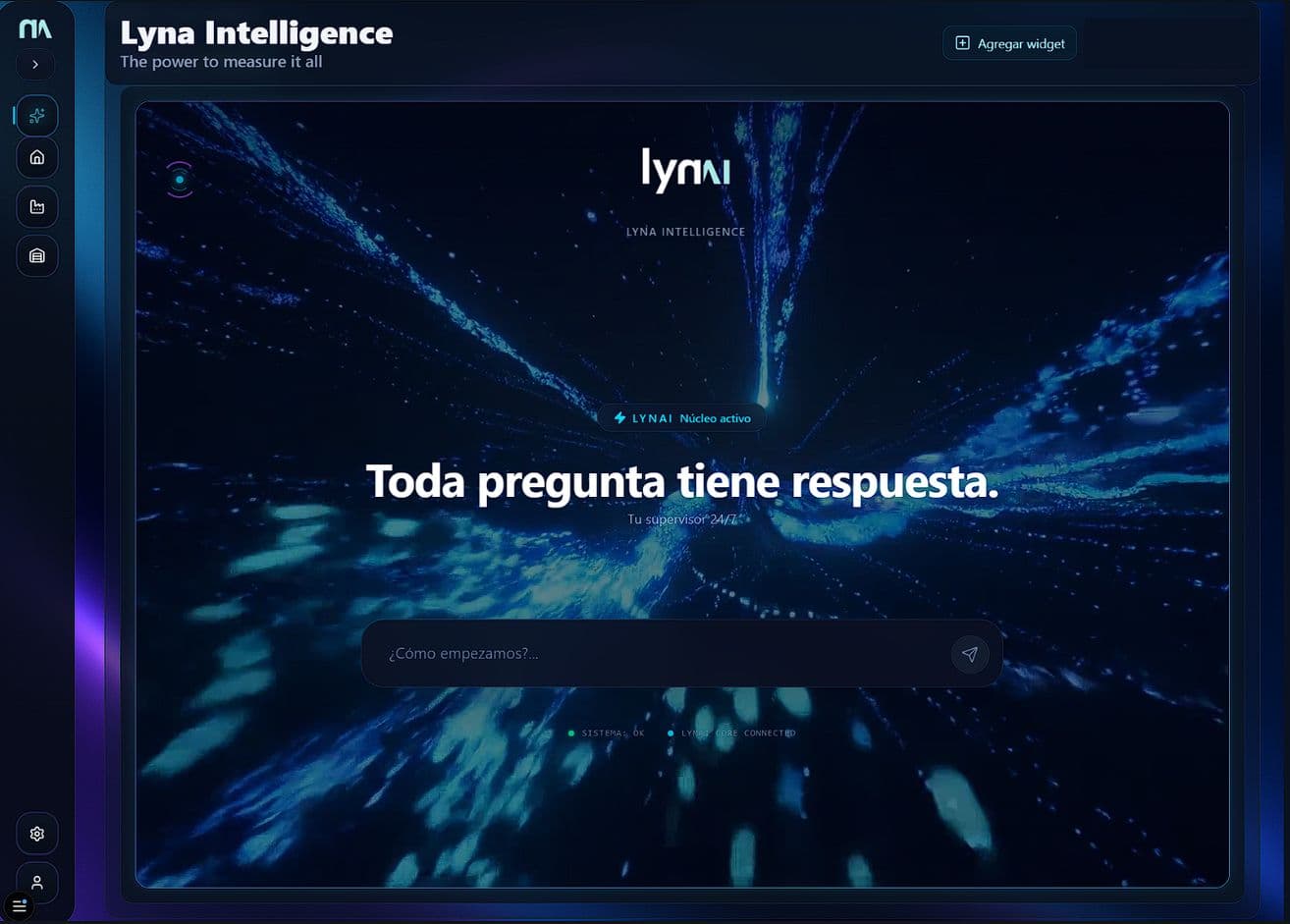
At LYNA, we focus on exactly that: building the bridge between your physical operation and artificial intelligence, with five solutions covering production, warehouses, assets, workforce and workshops, and with LYNAI, the copilot that orchestrates it all. Because we believe the future of industry is not just more technology: it is more visibility.