Your Operation Is Already Talking. Someone Needs to Listen.
Every shift, your operation generates thousands of signals: machine cycles, inventory movements, assets changing zones, workforce flowing between areas, vehicles advancing through the shop.
For decades, listening to all of it was humanly impossible. Data arrived late, scattered across reports and spreadsheets, when it was already history.
An industrial AI copilot changes the equation: one intelligence that listens to every signal at once, understands what it means and tells you what matters, while you can still act.
What Exactly Is an Industrial AI Copilot?
It is not a chatbot with an industrial logo. A real copilot needs three things a chatbot does not have:
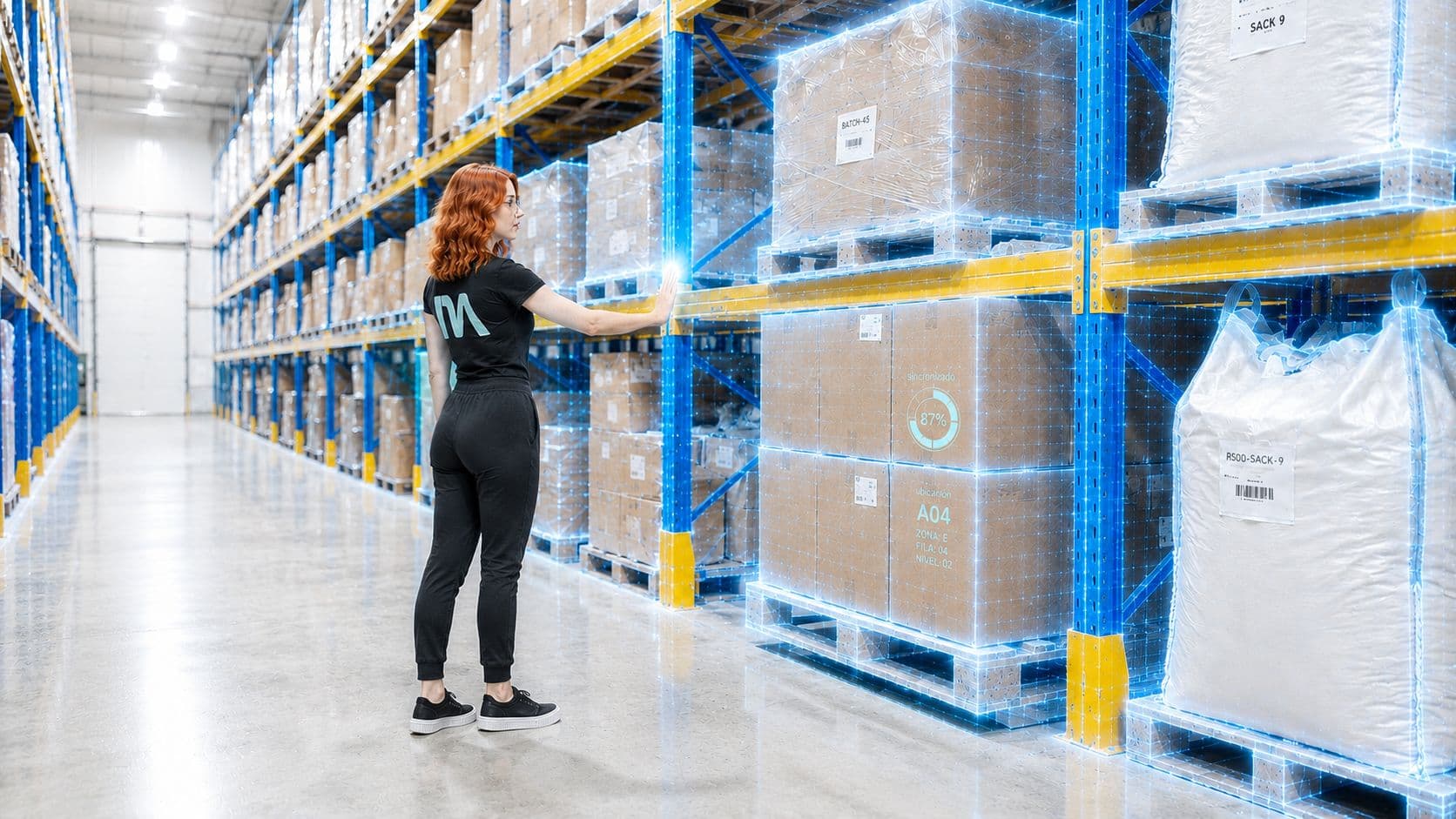
- Live data: it is connected to your physical operation in real time, not to static documents
- Domain context: it knows what an OEE, a batch, a bay or a geofence is, and it knows which ones are yours
- Operational judgment: it does not just answer; it detects, prioritizes and recommends with estimated impact
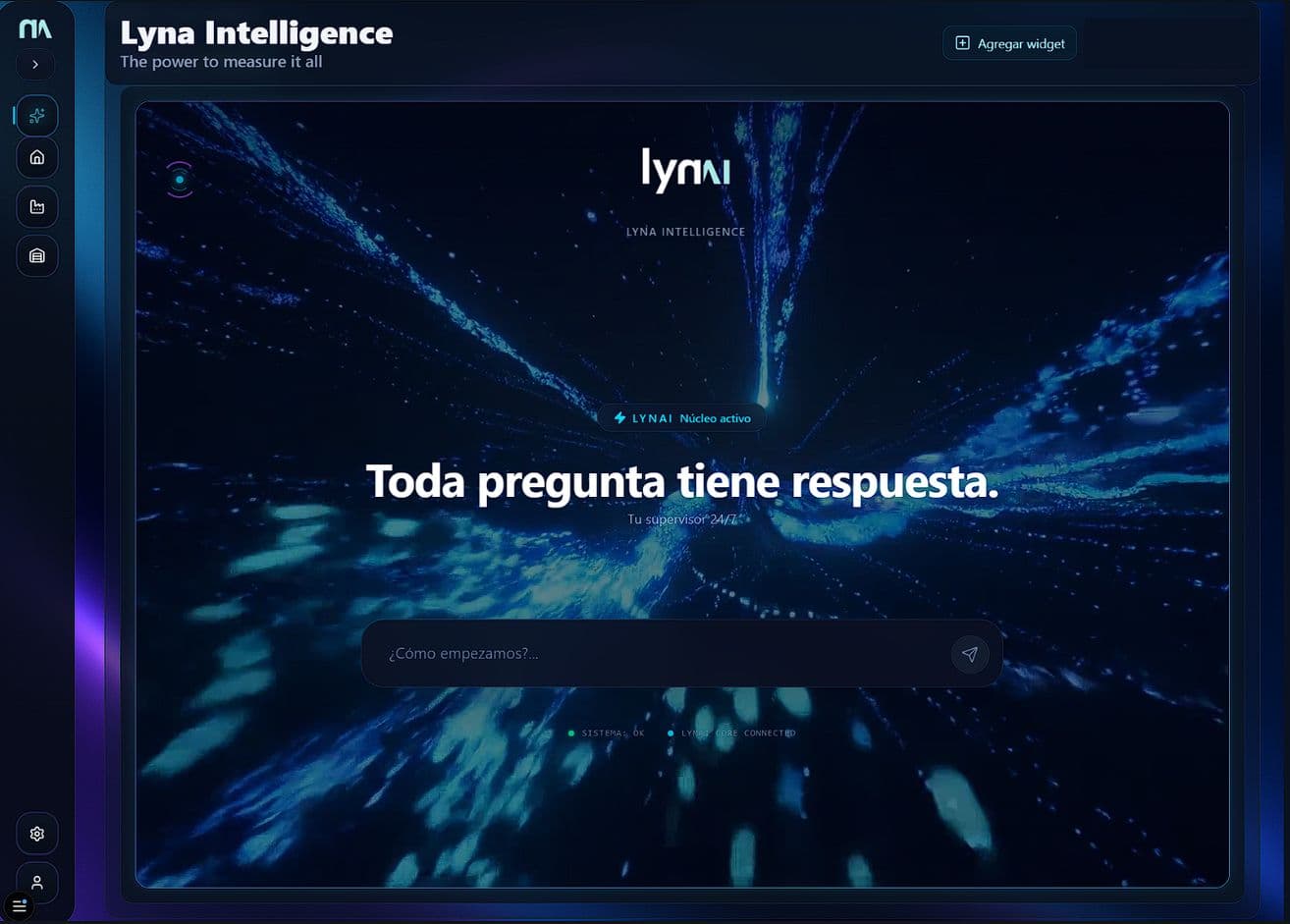
That is LYNAI, the intelligence of the Lyna platform. It lives on top of your operation's five fronts and works through the three acts that define the platform: Monitor, Understand, Decide.
One Conversation, Five Fronts
The best way to understand an industrial copilot is to look at what you ask it. With LYNAI, every front answers in your language:
- Production: "Where am I losing money in production?" LYNAI detects recurring micro-stops on a line, calculates how much OEE they cost you and what fixing them is worth
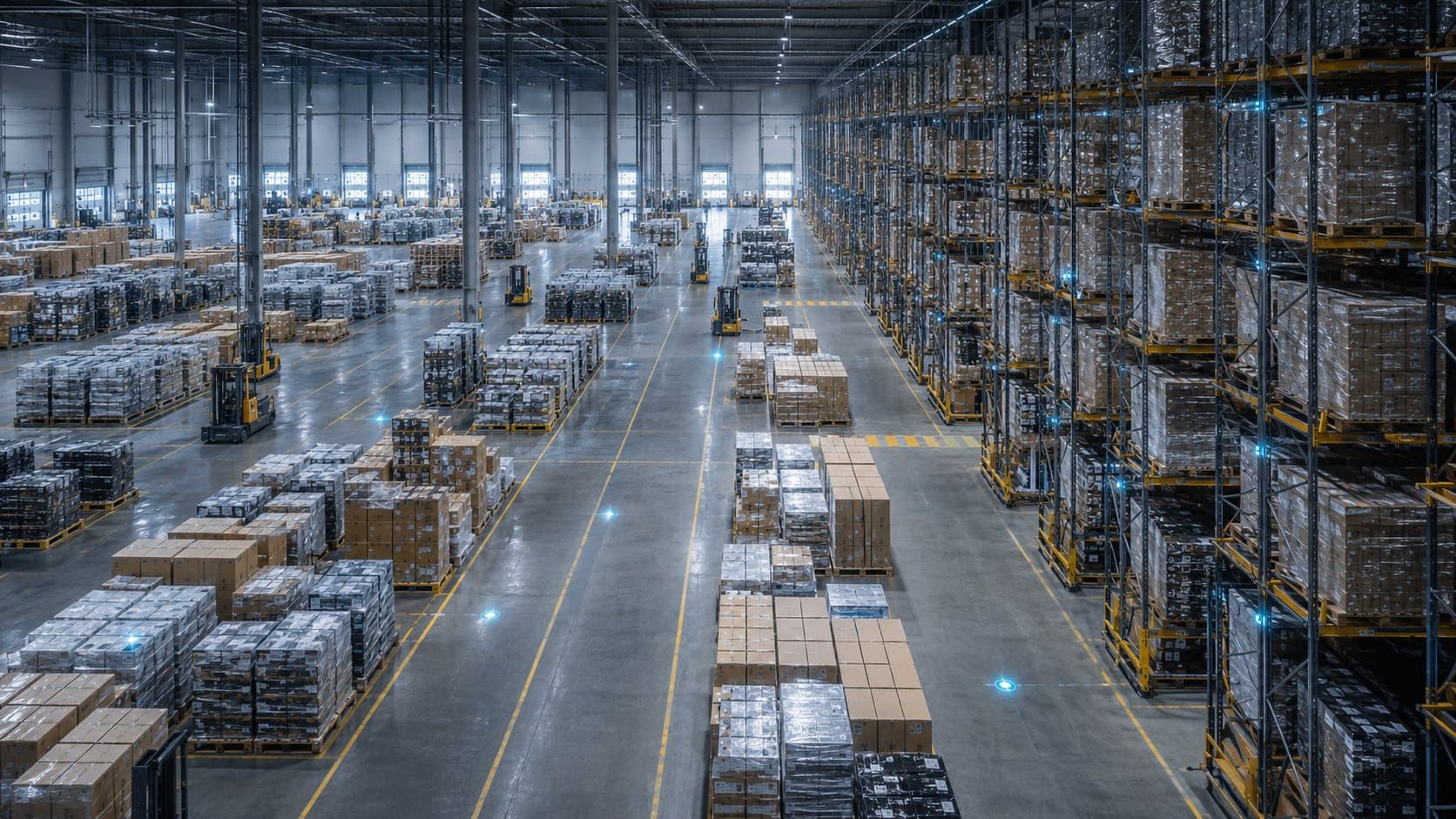
- Warehouses: "Which expiration dates are approaching?" It answers with the exact batches, their location and the months of margin to move them FIFO
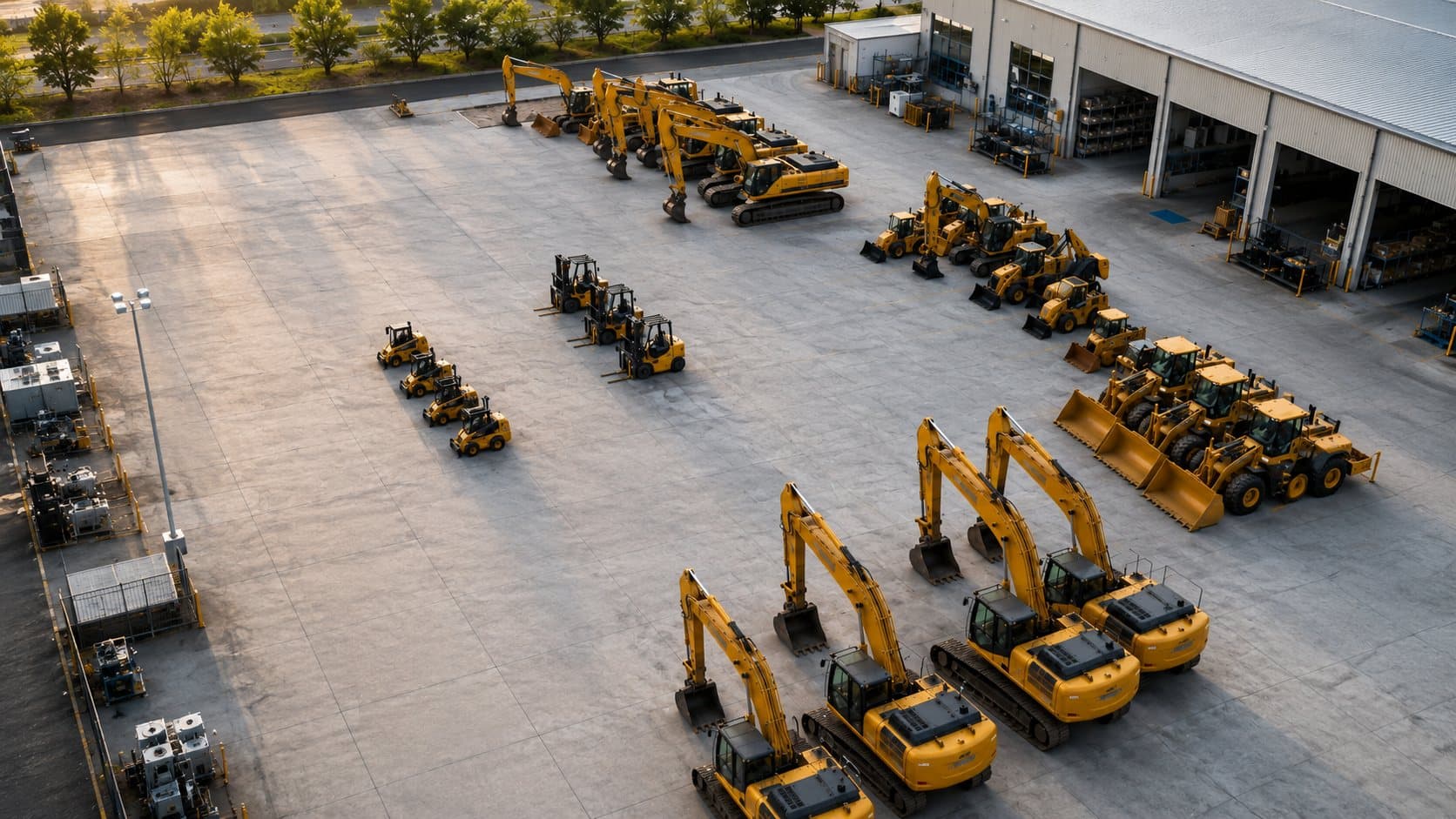
- Assets: "Which equipment is underutilized?" It points to the assets with the fewest working hours and what reassigning them is worth before renting more
- Workforce: "How did the workforce flow today?" It shows time in productive areas and any occupancy or restricted-zone alerts
- Workshops: "Where am I losing revenue in the shop?" It points to unbalanced bays and the invisible waits between stages
Every answer arrives with its data, its chart and a recommendation you can apply in one click. The question that used to take a week of reports now takes pressing enter.
Orchestrate and Amplify
There is a philosophy behind the copilot, and it is Lyna's: orchestrate and amplify.
Orchestrate, because the five fronts stop being silos: production knows about the warehouse, the warehouse knows about the assets, and a single intelligence conducts the full view. Patterns nobody could see across separate systems become obvious when everything plays together.
Amplify, because the copilot multiplies what your team already does well. The production manager still decides, but decides with the micro-stop detected and the cost calculated. The warehouse manager still runs the show, but runs it with expiration dates visible months ahead. Your people's experience, powered by the exact information at the exact moment.
Why This Matters Now
AI models are already extraordinary. What industry still lacks is the bridge: connecting AI to the physical world. Without real-time data from your operation, the best model in the world has nothing to tell you.
That is why the copilot is the final piece of a platform, not a standalone product: first you measure (sensors, RFID, presence, location), then you understand (patterns, anomalies, trends), and only then do you converse.
You Get to Know a Copilot by Talking to It
Some technologies are explained and some are felt. A copilot that knows your operation belongs to the second kind: the first time you ask it something and it answers with your data, your zones and your numbers, your relationship with your operation changes.
The full platform, with LYNAI at the center, can be seen live. Ask it what you would ask your operation if it could talk. Now it can.