Your Operation Generates Data. The Problem Is You Are Not Capturing It.
Every second that passes in your plant, warehouse, or facility, events are happening: a machine completes a cycle, a transport arrives at the dock, a sensor detects a temperature reading, a person enters a zone. All of these events contain valuable information that disappears if it is not captured digitally.
Connecting sensors to the cloud is the process of turning these physical events into digital data, available in real time, from anywhere.
What Does "Connecting to the Cloud" Mean?
In simple terms: a sensor or device captures a measurement or event in your physical operation, and that information travels automatically to a server on the internet (the cloud) where it is stored, processed, and visualized.
The flow is:
- A sensor measures something in the real world (temperature, presence, cycle, movement)
- A device transmits that measurement to the internet
- The cloud platform receives, stores, and processes the data
- You see the information on a dashboard from your computer or phone
Everything is automatic. No cables to a local server. No one has to write anything down.
What Types of Things Can You Connect?
Practically any physical event or measurement can be digitized:
Production
- Machine cycles (automatic piece count)
- Real-time line speed
- Stops and their duration
- Operating status (producing, stopped, changeover)
Environment and Conditions
- Equipment temperature, cold rooms, or process temperatures
- Humidity in controlled areas
- Vibration of rotating machinery
- Power consumption by machine or line
Logistics
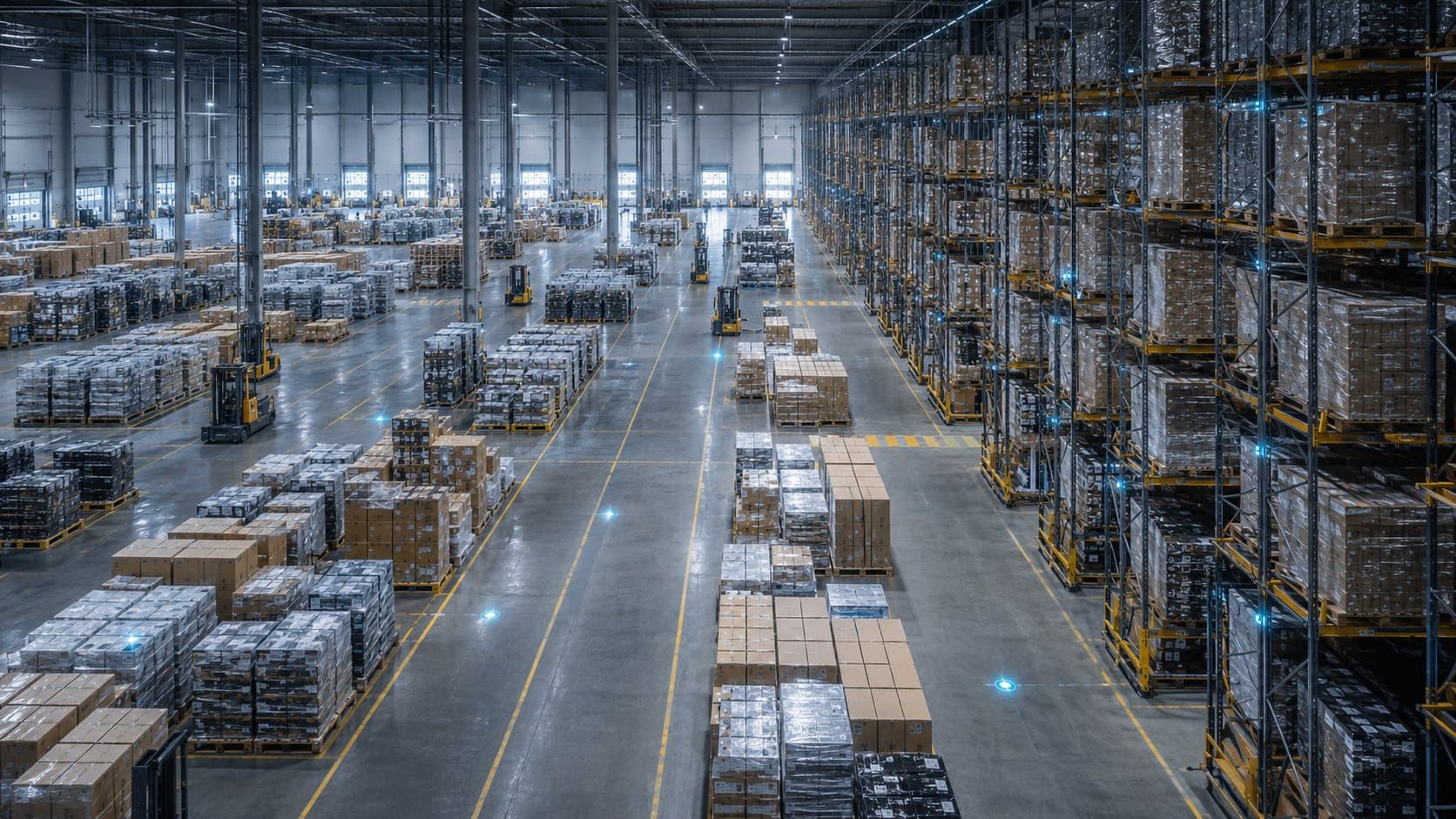
- Vehicle presence at loading docks
- Door opening and closing
- Load weight
- Logistics operation times
Personnel and Access
- Staff entry and exit
- Presence in specific zones
- Security round compliance
- Time in productive vs. non-productive zones
Inventory
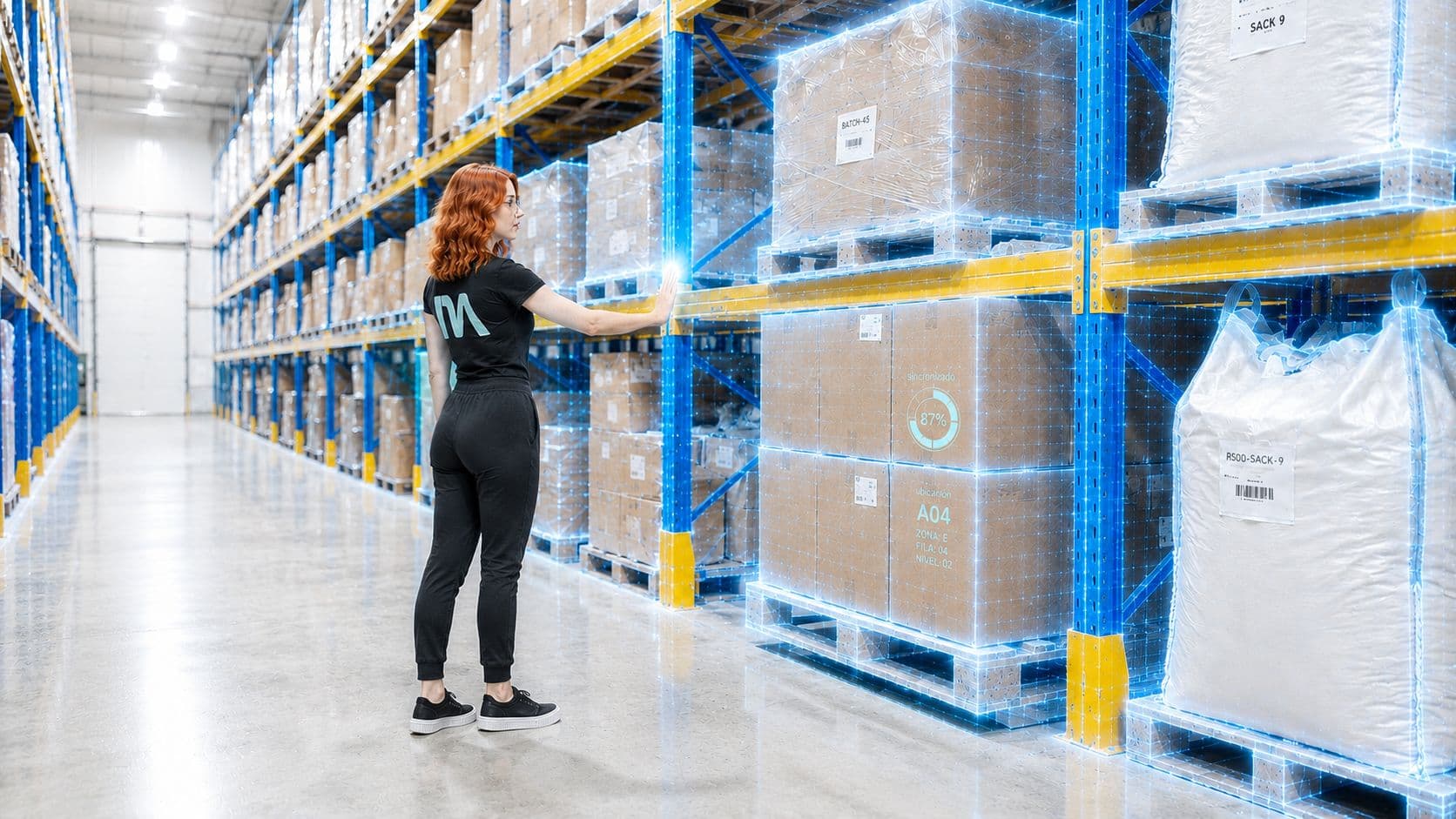
- Product movements with RFID tags
- Stock levels at specific locations
- Warehouse entries and exits
The Architecture: How Data Flows
You do not need to understand every technical detail, but it is useful to know the layers:
Capture Layer
Sensors and devices in your physical operation. These can be temperature, proximity, vibration, counting, RFID, or any other type of sensor. They are selected based on what you need to measure.
Communication Layer
Data from the sensor travels to the cloud through different means: Wi-Fi, cellular networks, or specialized low-power networks. The choice depends on the environment and the volume of data.
Processing Layer
In the cloud, data is received, stored, and processed. This is where the real value is created: business rules, alerts, KPI calculations, anomaly detection, and analysis powered by artificial intelligence.
Visualization Layer
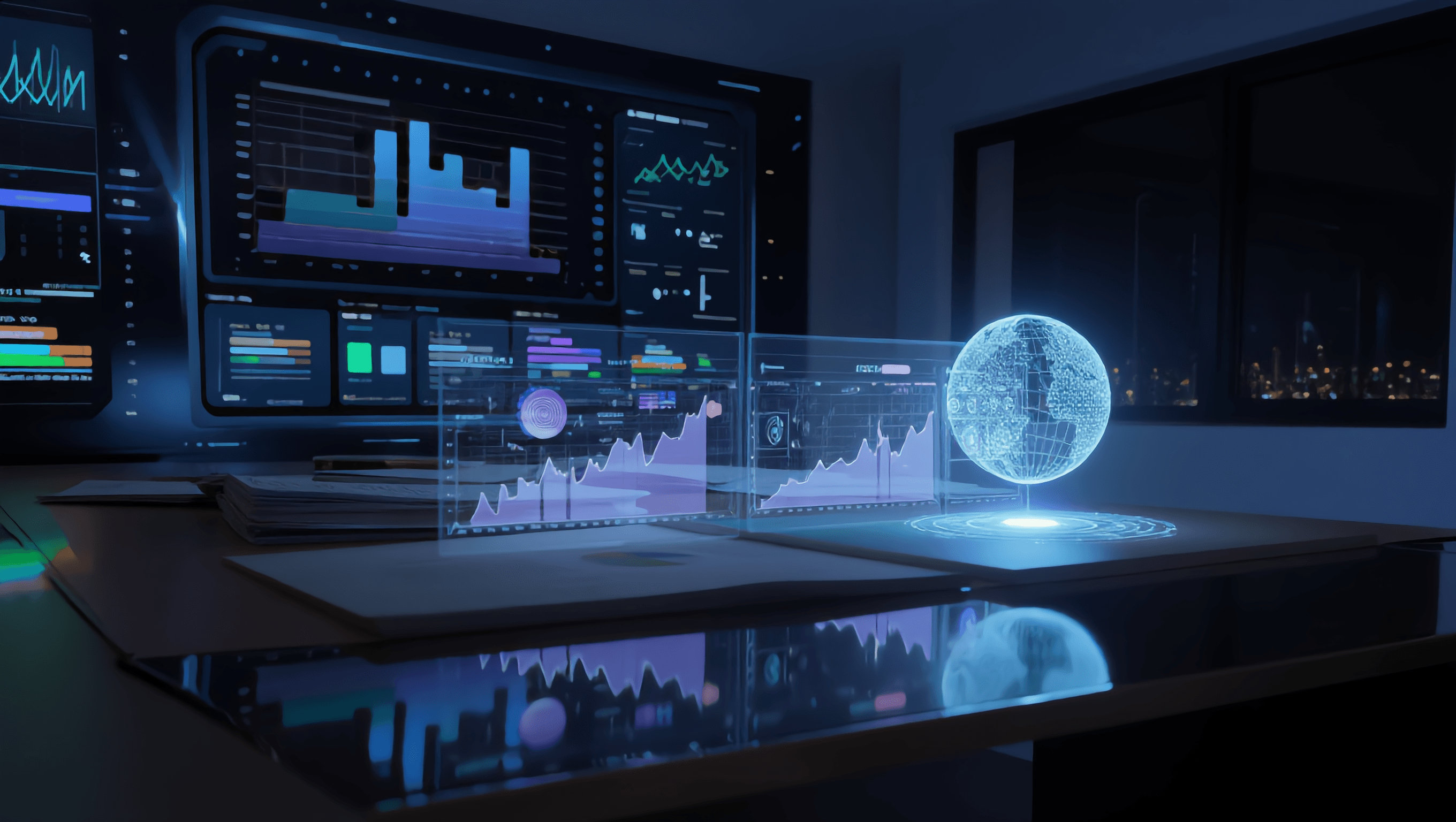
Dashboards, reports, alerts via messaging or email, and APIs for integration with other systems. Information reaches the people who need it, when they need it.
Custom Services: Every Operation Is Different
No two operations are the same. An auto parts warehouse has very different needs than a food processing plant or a logistics company. That is why the most effective cloud services are those that adapt to your reality. It is exactly what we do in custom development: from physical data to your application, designed around your process.
A custom cloud service includes:
- Diagnosis: understanding what you need to measure and why
- Design: defining what sensors to use and where, what data to capture, what alerts to configure
- Implementation: installing, connecting, and validating that data flows correctly
- Custom dashboard: visualizing exactly what you need to see, the way you need to see it
- Business rules: alerts, calculations, and logic specific to your operation
- Integration: connection with your ERP, payroll system, or any other platform
The Advantages of the Cloud vs. Local Servers
Why the cloud and not a server at your plant?
- Access from anywhere: you see your data from the office, from home, or from your phone
- No hardware investment: you do not need to buy, maintain, or update servers
- Scalability: adding more sensors or more plants does not require more local infrastructure
- Automatic backups: your data is safe, backed up, and always available
- Continuous updates: the platform improves without you having to do anything
- Multi-site: if you have multiple locations, all of them are centralized in one place
Is It Secure?
Security is a valid concern. Industrial cloud platforms use:
- Encryption of data in transit and at rest
- User authentication with multiple access levels
- Infrastructure from certified providers (the same ones used by banks and hospitals)
- Continuous security monitoring
Your data is more secure in the cloud than on a local server without backups or security updates.
The First Step: A Pilot
The smartest way to start is with a small pilot:
- Identify a pain point: what process costs you the most by not monitoring it?
- Connect the essentials: start with 5-10 measurement points
- Validate the value: in 2-4 weeks, evaluate the impact of having that data
- Scale: expand to more processes, more sensors, more locations
You do not need to digitize your entire operation overnight. But every point you connect is a point where you stop operating blind.
The Future Is Connected
Companies that are digitizing their operations today are building a competitive advantage that will be impossible to catch up to for those who wait. Not because they have more technology, but because they will have years of accumulated data that allows them to make better decisions, optimize faster, and anticipate problems before they occur.
Connecting your operation to the cloud is not a technology project. It is a competitiveness project.
If your case already has a name (production, warehouse, assets, workforce or workshop), check Lyna's solutions. And if it does not, even better: we build it around you.