What Is a WMS and Why Does Your Warehouse Need One?
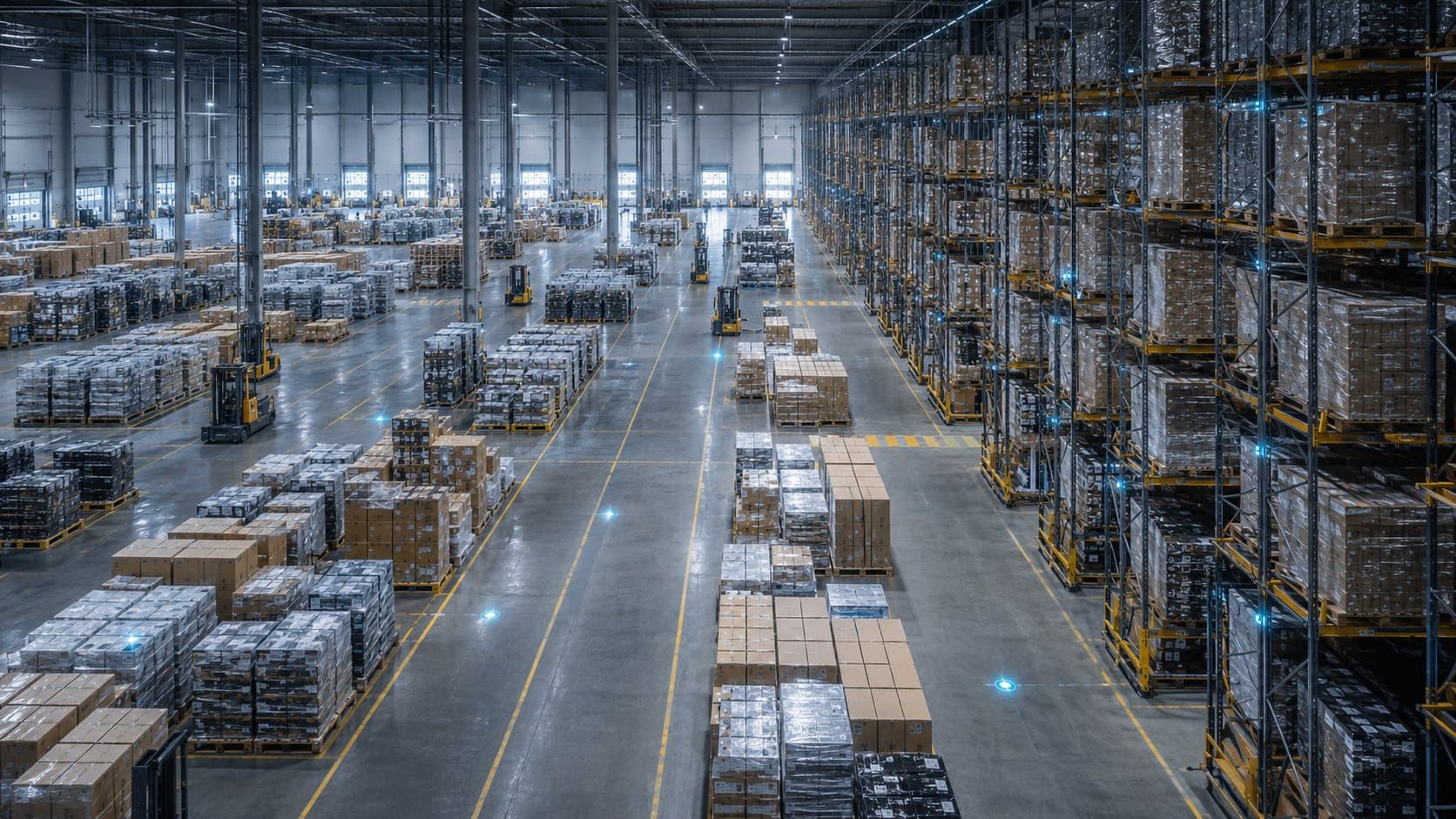
A WMS (Warehouse Management System) is a platform that controls and optimizes all operations within a warehouse: receiving, storage, internal movements, order preparation, and dispatch.
Without a WMS, warehouse management depends on the memory of the staff, spreadsheets, and physical counts. The result: inventory errors, lost products, excessive search times, and zero real-time visibility.
With a WMS, every product has a known location, every movement is recorded, and inventory is updated automatically.
What Does RFID Add to a WMS?
RFID (Radio Frequency Identification) technology is what turns a conventional WMS into a truly automatic traceability system.
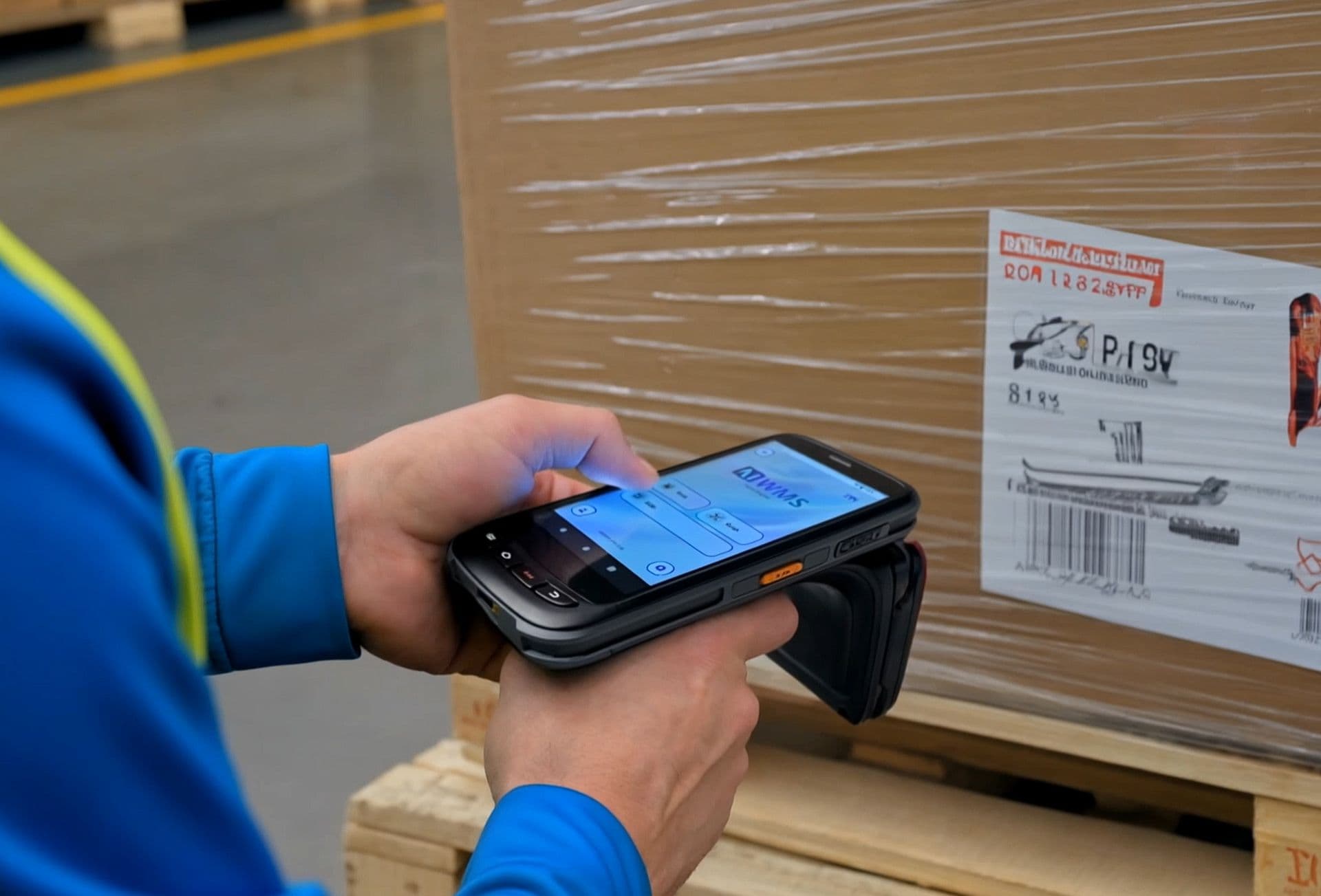
Unlike barcodes, which require manual scanning one by one and a direct line of sight, RFID tags are read automatically, at a distance, and in bulk. You can read hundreds of tags simultaneously without anyone pointing a scanner at each individual product.
This changes everything:
- Receiving: instead of scanning each box individually, a detection point identifies all products entering the warehouse in seconds
- Location: the system knows the exact position of every item without the need for physical inventory counts
- Transfers: when you move product from one zone to another, the system detects it and updates automatically
- Dispatch: as items leave the warehouse, the system automatically verifies that the shipment matches the order
The Blind Spots of a Warehouse Without RFID
Most industrial warehouses operate with enormous blind spots:
- They do not know with certainty what they have until they do a physical count (which can take days)
- They do not know exactly where a specific product is without searching manually
- Shipping errors are frequent because verification is manual
- Internal transfers are not recorded or are recorded late
- The gap between theoretical and actual inventory can be 5% to 15%
Each of these blind spots costs money: in time wasted searching for products, in incorrect shipments, in overstock due to lack of visibility, and in labor hours dedicated to manual counting.
AIWMS: When WMS Meets Artificial Intelligence
An AIWMS (AI Warehouse Management System) takes warehouse management to the next level by integrating artificial intelligence with RFID traceability. It is the category that AIWMS, Lyna's AI-powered WMS, belongs to.
It does not just record what happens in your warehouse: it learns from the patterns to optimize:
- Intelligent location assignment: the system suggests where to store each product based on rotation frequency, size, weight, and demand patterns
- Demand prediction: anticipates which products will be needed and when
- Anomaly detection: identifies unusual movements or discrepancies that could indicate errors or losses
- Picking route optimization: calculates the most efficient route for preparing orders
If you want a deeper comparison between the two generations, we wrote a full guide: Traditional WMS vs AI WMS.
Multi-Warehouse Visibility
For companies with multiple locations, a WMS with RFID offers something that was previously impossible: total visibility of inventory across all your warehouses from a single dashboard.
You can see in real time:
- What is in each warehouse and in what exact location
- What products are in transit between locations
- Stock levels by warehouse to balance inventory
- The complete movement history of every item
What Does the Implementation Process Look Like?
Implementing a WMS with RFID does not require transforming your warehouse overnight. The typical process follows these stages:
- Diagnosis: current warehouse flows, zones, product types, and volumes are mapped
- Design: the placement of detection points, storage zones, and business rules are defined
- Tagging: each product or container receives an RFID tag that uniquely identifies it
- Integration: the system connects with your ERP or existing management system
- Operation: the team begins working with the new system, with real-time data from day one
The process is gradual and designed to minimize disruption. Most teams adapt within the first few weeks as the benefits become immediately apparent.
The Results You Can Expect
Companies that implement a WMS with RFID typically experience:
- Inventory accuracy above 99% (vs. 80-95% with manual methods)
- 70-90% reduction in physical inventory time
- Near-total elimination of shipping errors
- Real-time visibility of all inventory
- Significant reduction in overstock and stockouts
- Visible ROI within the first 3-6 months
Is It Right for My Type of Warehouse?
A WMS with RFID adapts to different types of operations:
- Manufacturing warehouses: control of raw materials, work-in-process, and finished goods
- Distribution centers: high-volume picking, packing, and dispatch
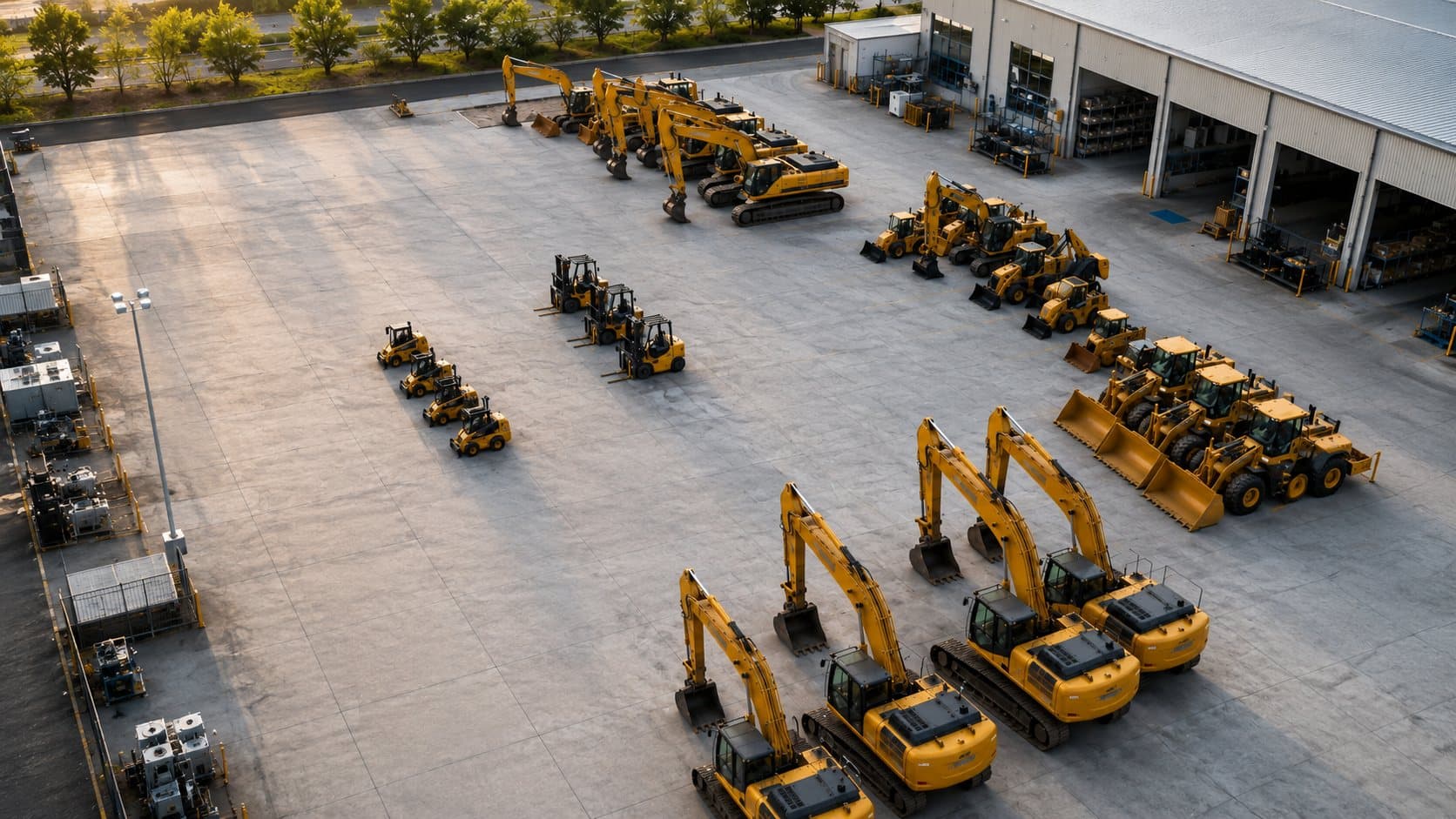
- Spare parts warehouses: thousands of SKUs with variable rotation
- Multi-client warehouses (3PL): separation and traceability by client
If your warehouse handles more than a few hundred SKUs or has frequent movements, RFID technology will transform your operation.
The question is not whether you need a WMS with RFID. The question is how much it is costing you not to have one.