Do You Know Where Your Workforce Is Right Now?
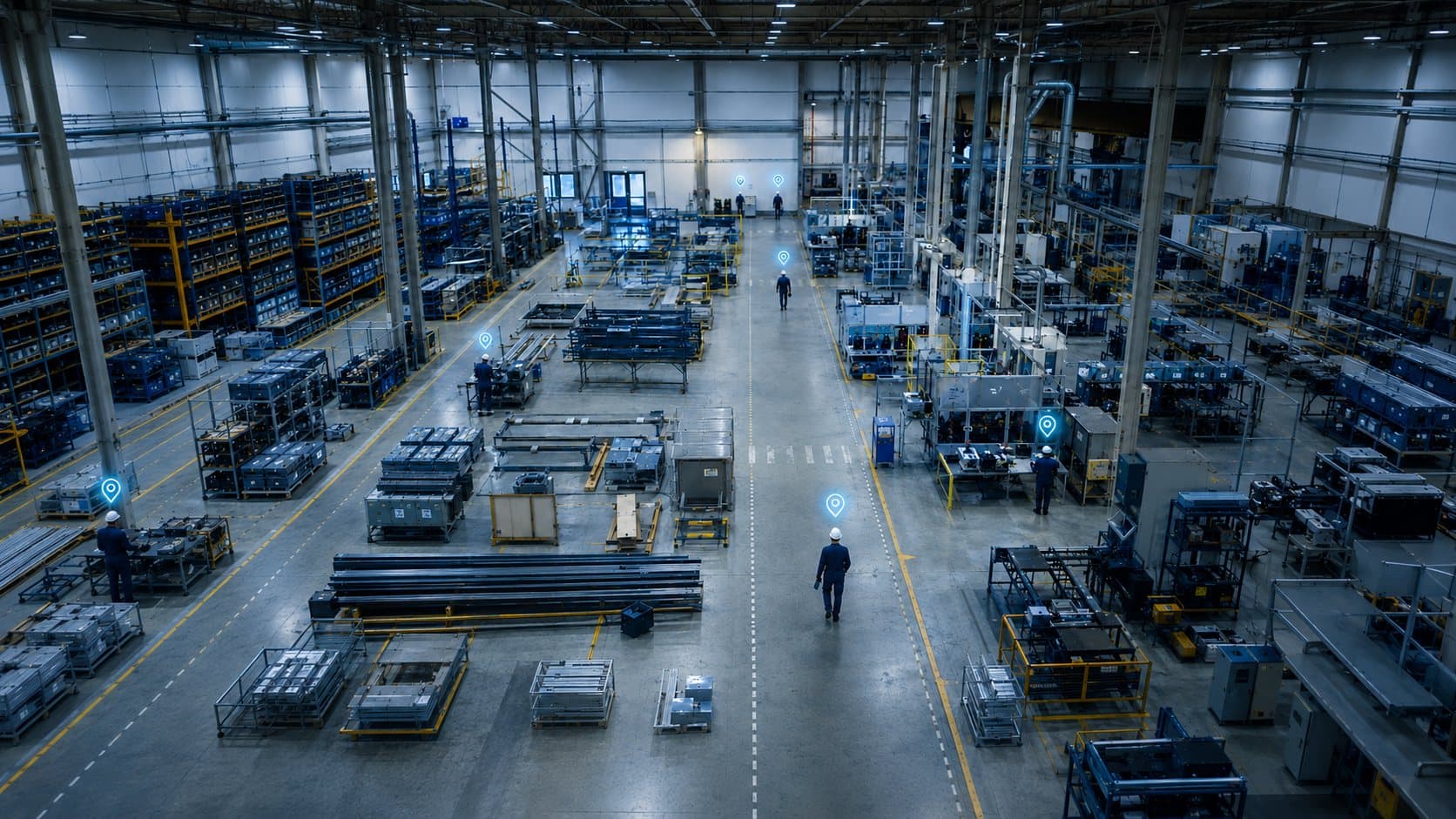
In most industrial plants, the honest answer is: "more or less." You know the staff came in because they signed a list. You assume they are in their work zone. But the reality is that there is no real visibility into where people are, how long they spend in each area, or how the human operation flows within the facility.
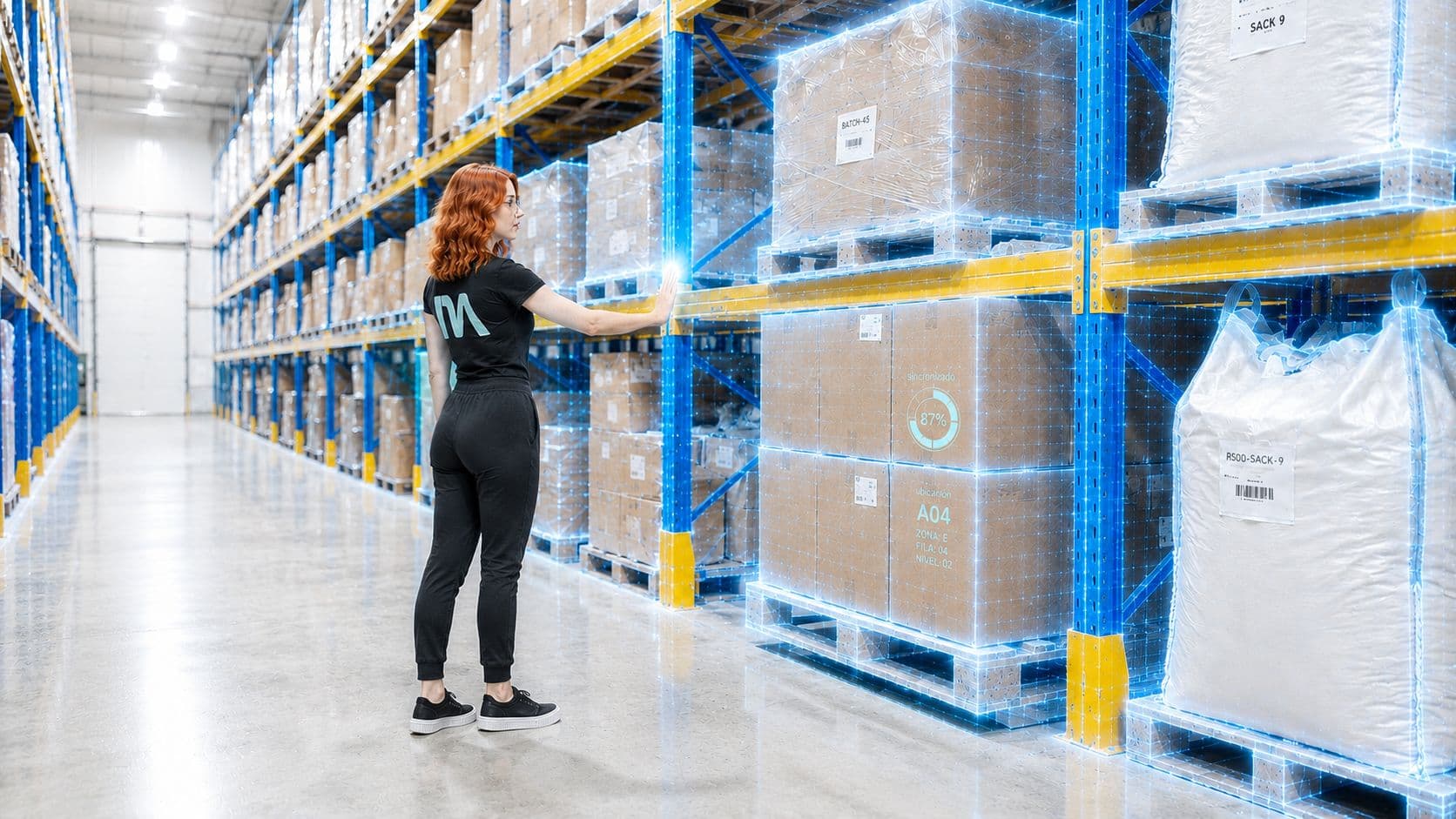
Real-time workforce presence changes that completely. It is what Lyna Presence does: a digital twin of your human operation, live.
How Does It Work?
The concept is elegant in its simplicity: the platform detects workforce presence by zone automatically and continuously. Nobody has to scan, swipe or sign anything: the record generates itself, with exact timestamps, while everyone does their normal job.
With this information, the platform can:
- Record exact entry and exit times
- Know which zone each person is in, in real time
- Measure how long they remain in each area
- Detect access to restricted zones
- Generate a complete history of movements
Security Rounds: No Paper, No Fraud
One of the most powerful applications is the automation of security rounds.
Traditionally, security guards make their rounds and log their passage in paper logbooks or with clock-in systems that require scanning physical checkpoints. The problem is well-known: records can be falsified, rounds get skipped, and there is no way to verify compliance in real time.
With automated traceability:
- The guard's passage through each point of the route is recorded automatically, with no manual action needed
- A digital record with an exact timestamp is generated for every point visited
- If a round is not completed or is delayed, the system sends an immediate alert via messaging or email to the supervisor
- The complete history is stored for audits and evidence
For security companies, this is a huge differentiator: they can demonstrate to their clients, with verifiable data, that rounds are being completed as required.
Intelligent Access Control
Beyond knowing who entered and exited, traceability enables zone-based access control. You can define:
- Which personnel are authorized to access each zone
- Permitted access schedules
- Immediate alerts when someone enters a restricted zone without authorization
- Automatic logging of all access events for regulatory compliance
This is especially critical in industries with strict regulations: pharmaceutical, food processing, automotive, and any plant with high-risk areas.
Logistics Efficiency: Transport, Docks, and Loading Times
Traceability is not limited to people inside the plant. It extends to the entire logistics operation:
Transport Entry and Exit Times
Every transport that arrives at your plant is automatically logged: arrival time, time of entry to the dock, time of departure. No manual forms.
Dock Presence
The system detects how long a transport is at each loading or unloading dock. You can measure actual operating times and detect bottlenecks.
Loading and Unloading Times
How long does each loading and unloading operation actually take? With automatic data, you can measure real logistics efficiency and compare it against your standards.
Automatic Alerts
If a transport has been at a dock longer than expected, if an area is left without personnel, or if someone enters a restricted zone, you receive an instant notification via messaging or email.
Understanding Your Complete Operation
Perhaps the most transformative benefit of traceability is the total visibility of your human operation.
At the end of the day, you can see:
- The complete flow of each person: where they were, for how long, in what order
- Movement patterns: which zones have the most traffic, which are underutilized
- Productive vs. non-productive time: how much time staff spend in work areas vs. common areas
- Shift compliance: actual work hours, overtime, absenteeism
- Team efficiency: productivity comparisons between shifts or teams
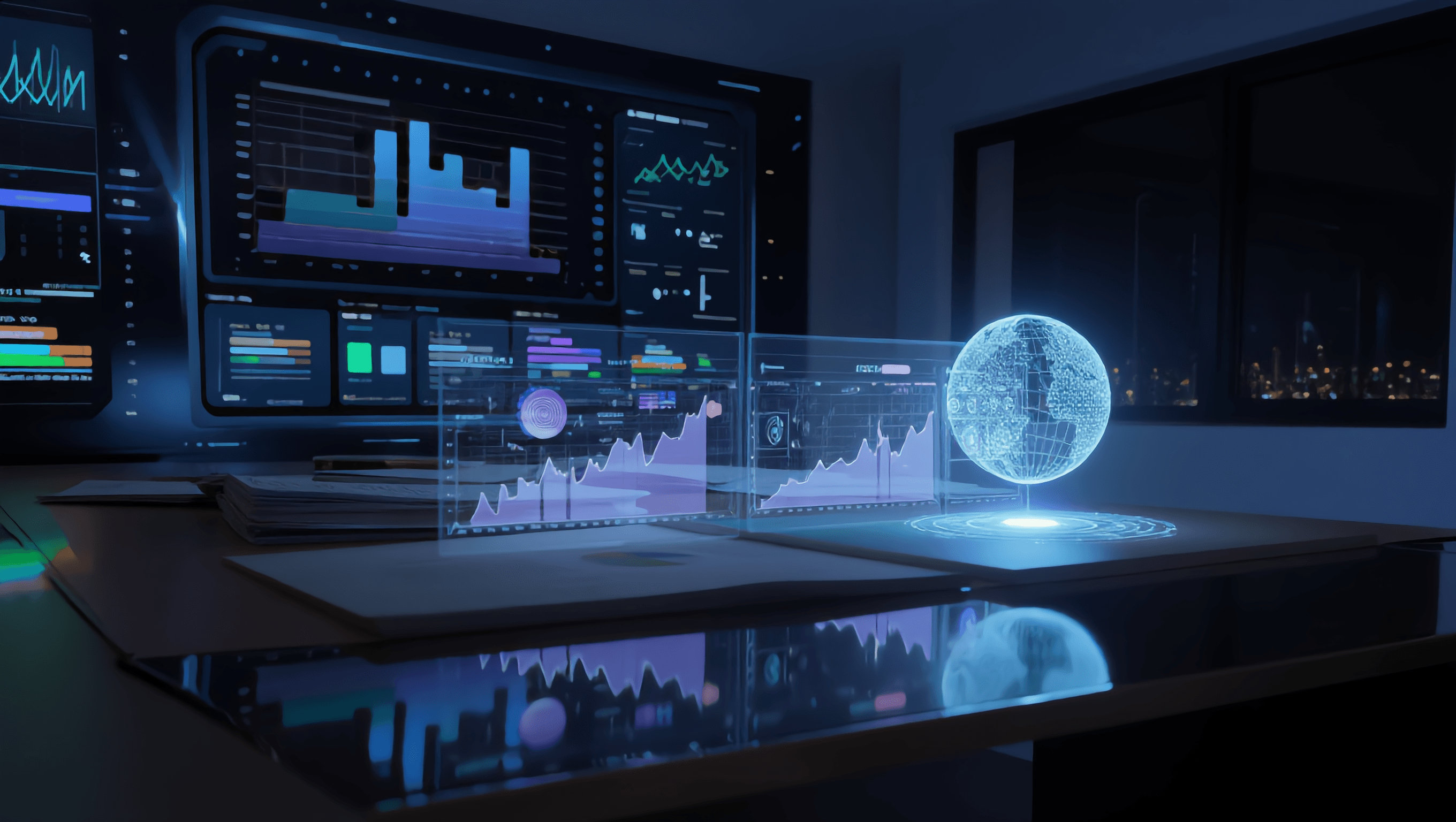
This information, which was previously completely invisible, allows you to make informed decisions about staff distribution, shift design, plant layout, and operational efficiency.
Privacy and Trust
An important point: workforce traceability must be implemented with transparency. The goal is not to surveil, but to optimize and protect. The best results are achieved when the team understands that:
- Data is used to improve operations, not to micromanage
- Traceability also protects them (evidence in case of incidents)
- Automated rounds eliminate the burden of manual logging
- Safety data can save lives in emergencies (knowing who is inside the facility)
When workers see that traceability makes their jobs easier and their workplace safer, adoption happens naturally. The key is open communication about the purpose and the benefits from day one.
Who Is It For?
Workforce traceability applies to multiple scenarios:
- Manufacturing plants: access control, productive time tracking, shift compliance
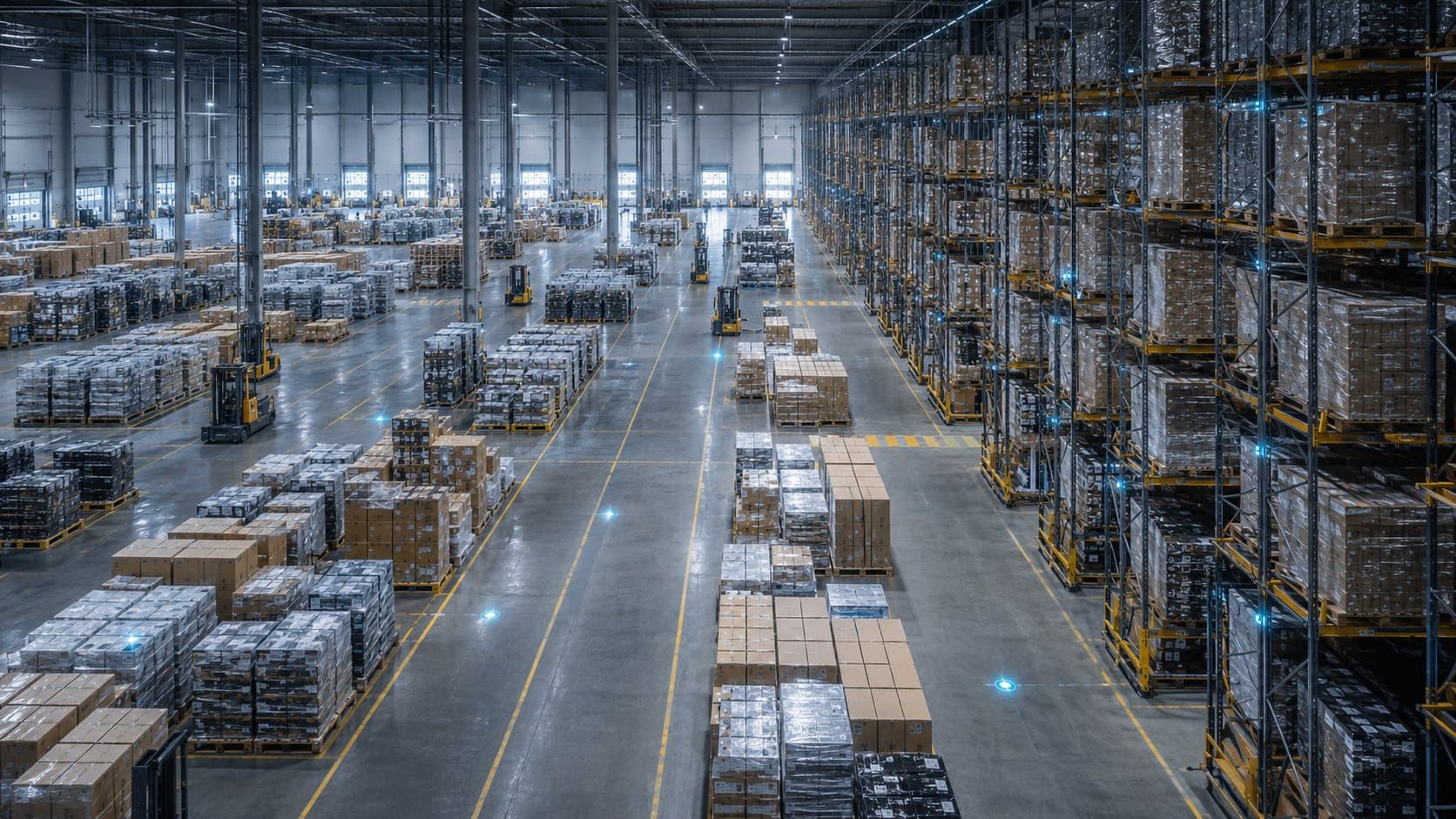
- Warehouses and distribution centers: logistics efficiency, loading and unloading times
- Security companies: automatic round verification for their clients
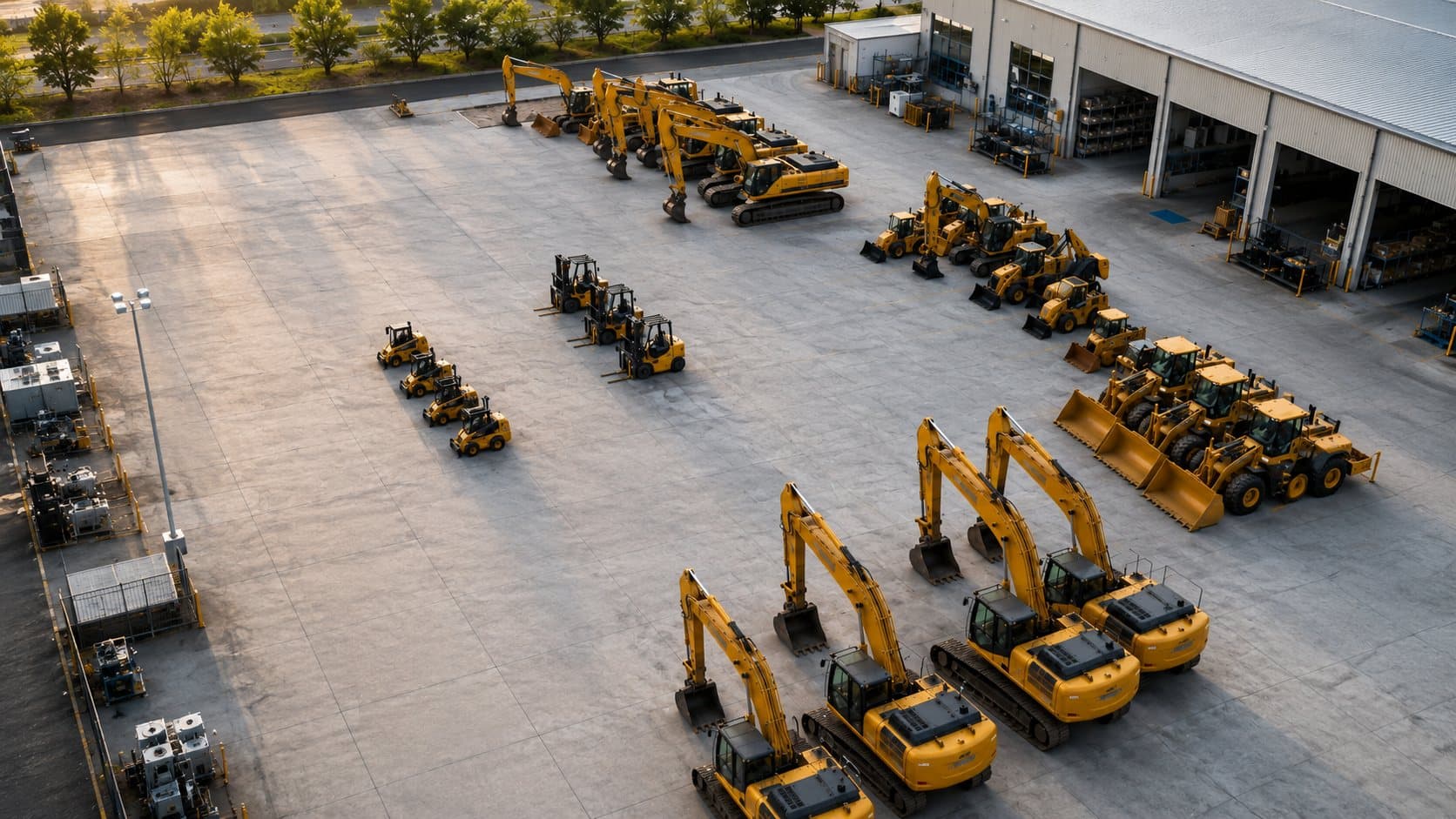
- Construction sites: workforce control on-site, high-risk zone management
- Hospitals and pharmaceutical facilities: controlled zone access, traceability for audits
If you have personnel moving within your facilities and you need visibility, control, or efficiency, traceability is the answer.
The information your operation generates every day is enormous. Most of it is lost. Traceability captures it automatically and turns it into actionable intelligence.